Key takeaways
- A developer manages the whole journey (land, design, permits, construction, and often sale), while a builder mainly executes plans. Know which one you need.
- West LA is not one rulebook. Brentwood, Bel Air, Westwood and Pacific Palisades follow City of Los Angeles rules, while Santa Monica and Beverly Hills run their own planning departments.
- Ask for proof, not promises: license numbers, finished homes you can tour, and past clients you can call.
- Get the budget, timeline and change-order process in writing before you sign anything.
- The seven questions below work as a scorecard. Use them on every developer you interview, including us.
Why choosing a developer in West LA is a bigger decision than it looks
A custom luxury home on the Westside is rarely just a construction project. It is usually a lot purchase or teardown, a design process, a permitting process, a build, and sometimes a resale plan, all running on the same budget. The person coordinating those pieces matters as much as the person framing the walls.
At Reeland Investments, we have completed more than 400 projects and over $1 billion in combined project value across development, renovation and investment. Most of our finished luxury homes are in the South Bay, and we also serve West Los Angeles neighborhoods (see our new construction homes in West Los Angeles page). One lesson repeats on every project: the clients who feel calm at the end are the ones who asked hard questions at the start.
This guide gives you those questions, what a strong answer sounds like, and the red flags to watch for.
Developer, builder or design-build: which do you need?
Before you interview anyone, be clear about the role you are hiring for.
- Custom luxury home developer. Handles feasibility, acquisition advice, design coordination, permitting, construction and often the sale. Best if you want one accountable team, or if you are an investor.
- General contractor / luxury home builder. Builds from plans you or your architect provide. Best if you already own the lot and have a finished design.
- Design-build firm. One contract for design and construction. Best if you want fewer handoffs.
Not sure which route fits your situation? Our project development service explains how we take a project from concept to completion. If you are mainly comparing general contractors on licensing, bids and contract terms, start with our guide on how to hire a home builder in California, then return here for the developer-specific questions.
The 7 questions to ask before you sign
1. How many ground-up luxury homes have you delivered, and can I tour one?
Why it matters: Luxury homes depend on details: tile lines, window systems, millwork, mechanical layout. A glossy website cannot show how a home feels or ages.
A strong answer: A specific number of recent, comparable projects, a finished home you can walk through, and two or three past clients willing to talk.
Red flag: Portfolio photos only, or projects that are all remodels when you want a ground-up build.
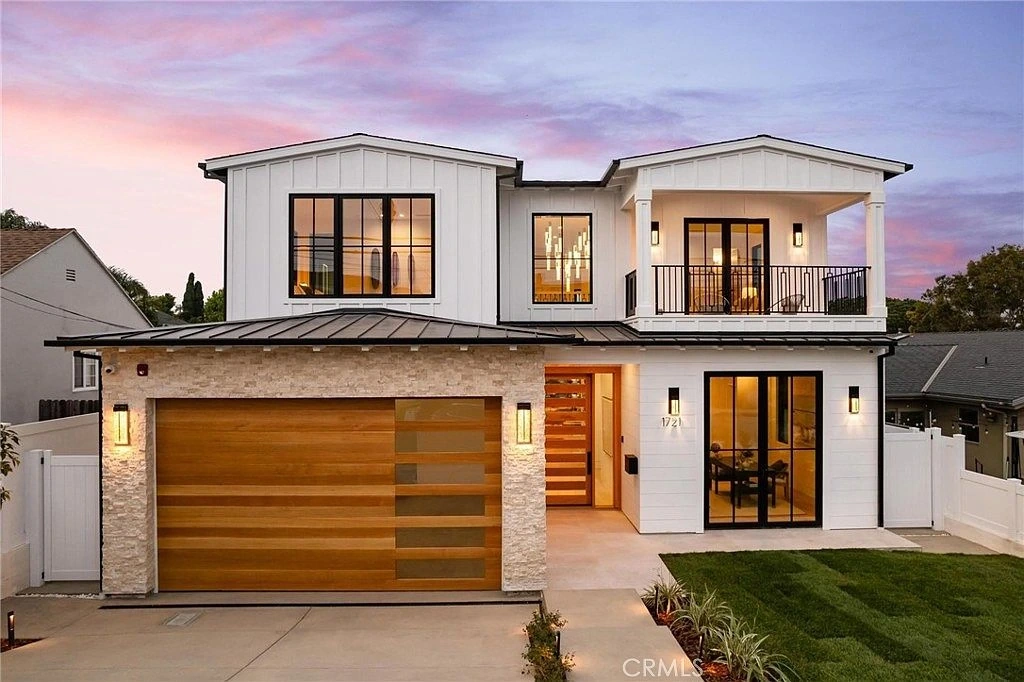
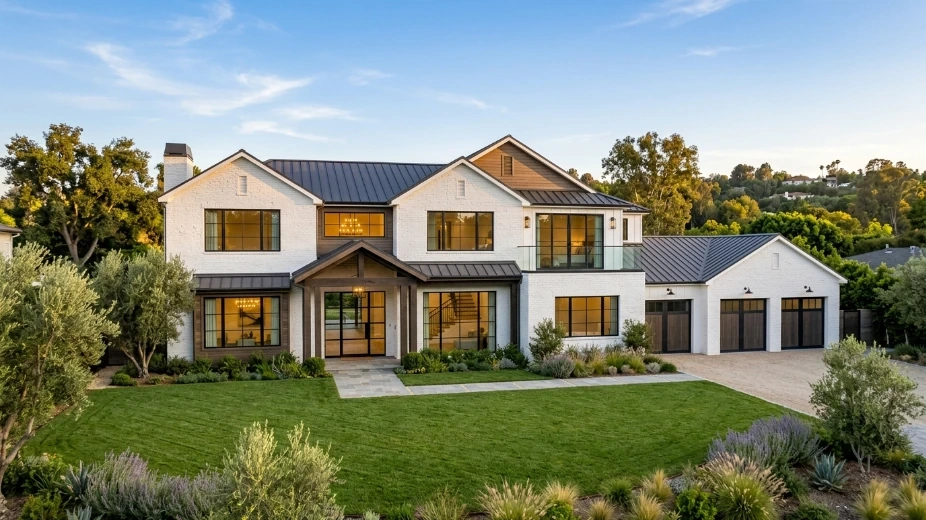
You can review our completed homes in the Reeland project portfolio and the photo gallery, including the Oak Residence and the Maple Residence. Be honest in your own research, too: ask any developer how many projects they have completed in your city, not just in general.
2. Who is licensed, and who is accountable if something goes wrong?
Why it matters: Many projects involve several companies: a developer, a contractor, subcontractors and a broker. When something goes wrong, you want one name to call.
A strong answer: An active California contractor license that you can verify on the Contractors State License Board (CSLB) website, current workers’ compensation and liability insurance, and a clear explanation of who holds the contract with you. Reeland holds licenses in both real estate and general construction, so acquisition advice, construction and sale are handled by one team.
Red flag: Hesitation to share a license number, or a contract signed with a different entity than the one you interviewed.
3. How do you handle permits and neighborhood rules where I want to build?
Why it matters: This is the question that separates West LA experience from general luxury-home experience. Rules and review timelines differ by location:
- Hillside lots in areas such as Bel Air, Brentwood and parts of Pacific Palisades may fall under the City of Los Angeles Baseline Hillside Ordinance, which limits home size and massing. Hillside builds typically also require a geotechnical report, and grading or haul-route approvals may apply.
- Fire-hazard zones can affect design, materials and insurance.
- Coastal zone parcels (parts of Pacific Palisades and Santa Monica) can add review steps.
- Santa Monica and Beverly Hills are separate cities with their own planning departments and design review processes.
Rules change, so treat this as orientation, not legal advice, and confirm details for your specific parcel.
A strong answer: The developer names the department that will review your project, explains the likely review path for your lot, and describes problems they have solved on similar sites.
Red flag: “Permits are easy” or “we’ll figure it out later.”
We keep neighborhood-level information on our pages for Brentwood, Bel Air, Westwood, Pacific Palisades, Century City, Santa Monica and Beverly Hills.
Thinking about a West LA lot or teardown? Before you buy, talk to a team that can check feasibility first. Request a free consultation with Reeland or call +1 (213) 296-2104.
4. What exactly does the budget include, and how are changes handled?
Why it matters: Cost surprises rarely come from one big mistake. They come from small gaps: allowances set too low, exclusions nobody explained, and changes approved verbally.
A strong answer:
- A written scope with plans and specifications attached.
- Clear definitions of what is fixed price and what is an allowance (a placeholder budget for items like flooring, lighting or plumbing fixtures).
- A list of exclusions (site work, utility connections, soil conditions, landscaping, furnishings).
- A realistic contingency for the unexpected, especially on hillside or older lots.
- Written change orders with pricing approved before work starts.
- Payments tied to completed milestones, with lien releases supplied alongside each payment.
Red flag: A bid far below the others, a large deposit before work begins, or a contract that says little about what happens when the scope changes.
If you are an investor, ask for numbers early: purchase price, build budget, carrying costs and expected resale value. Our investment advisory team helps evaluate whether a project makes financial sense before ground is broken. For a broader look, see how to invest in luxury real estate in Southern California.
5. What is a realistic timeline, and what usually causes delays?
Why it matters: The build is only one phase. A custom home on the Westside usually moves through design, plan check and permitting, construction and final inspections. The longest stretch is often the one you cannot see: the approval process.
A strong answer: A written schedule split into phases (pre-construction, permitting, construction, closeout), plus honest examples of what has slowed past projects: plan-check corrections, weather, material lead times, owner selection delays.
Red flag: A timeline much faster than every other developer’s, with no explanation of how.
Tip: ask who owns each delay. Owner decisions made late (finishes, fixtures, layout changes) are a common cause, so good developers set decision deadlines up front.
6. How will we communicate and make design decisions together?
Why it matters: A luxury build generates hundreds of decisions. Without a system, those decisions turn into delays and disagreements.
A strong answer: One day-to-day contact, a regular update rhythm (weekly is common), a selections schedule with deadlines, and a shared place for plans, photos and approvals. Ask who you call on a difficult day, and how quickly they respond.
Red flag: Slow replies during the sales process. If a developer is hard to reach before you pay a deposit, expect it to be harder after.
7. What happens after move-in: warranty, punch list and inspections?
Why it matters: Even well-built homes need adjustments in the first year. The warranty and closeout process show how a developer treats clients once the final payment is made.
A strong answer: A written warranty that explains what is covered, for how long, who to call and how fast they respond. A clear punch-list process. A willingness to let you hire your own inspector.
Red flag: A warranty described only verbally, or no plan for final walkthroughs.
To prepare for this stage, read our checklist on what to inspect before closing on a new construction home.
Printable scorecard: rate each developer 1 to 5
Use the seven questions as a simple scorecard when you interview two or three developers.
- Track record and tour of finished homes
- License, insurance and single point of accountability
- Neighborhood permit and zoning knowledge
- Budget clarity and change-order process
- Realistic timeline
- Communication and decision process
- Warranty and closeout
Add the scores, but also notice how each team answers. Specific, patient answers are a good sign. Vague or defensive ones usually are not.
Red flags that should slow you down
- Pressure to sign quickly or to pay in cash
- Reluctance to share license numbers, insurance certificates or references
- A contract with a vague scope of work
- Large upfront payments unrelated to completed work
- No experience in your specific city or terrain
- Promises of a speed or price no other firm will match
Matching the developer to your West LA neighborhood
The right questions shift slightly by location:
- Brentwood and Bel Air: Hillside rules, grading and geotechnical work are often central. Ask about slope experience. See our Brentwood new construction page.
- Westwood and Century City: Tighter urban lots and neighbor proximity can affect construction logistics. See new construction in Westwood.
- Pacific Palisades: Coastal, fire-hazard and rebuilding considerations may apply. Check current local requirements before you commit to a design. See Pacific Palisades.
- Santa Monica and Beverly Hills: Separate city processes. Ask how many projects the developer has completed in that city specifically. See Santa Monica and Beverly Hills.
If you want a closer look at how location changes what you can build and what it may be worth, our guide on where to buy a new build in Manhattan Beach shows the same thinking applied to another market.
How Reeland approaches a custom luxury home
We are a California-based real estate investment and development firm, licensed in both real estate and general construction. Our approach is clear numbers up front, one accountable team, and regular updates from start to finish. You can learn more about Reeland or see homes in progress on our under construction page.
We also suggest you use the seven questions above on us. Ask for our license numbers, references and a finished home to visit. A developer who welcomes that scrutiny is usually one worth talking to.
Ready to talk through your West LA project? Contact Reeland Investments for a no-pressure conversation about your lot, budget and timeline. Even if we are not the right fit, we will point you in a useful direction.
Frequently asked questions
What does a custom luxury home developer do?
A custom luxury home developer manages a project from feasibility through completion. That can include evaluating the lot, coordinating design, handling permits, overseeing construction and, in some cases, selling the finished home. A builder, by contrast, usually constructs a home from existing plans.
How much does it cost to build a custom luxury home in West Los Angeles?
Costs vary widely with lot conditions, size, design complexity, finish level and location. Hillside lots, grading, retaining walls and custom materials can raise costs significantly. Ask each developer for a written budget that separates fixed costs from allowances and lists exclusions, and be cautious of any quote given without seeing the site.
How long does it take to build a custom home in West LA?
Many custom builds take well over a year when design, plan check and permitting are included, and the construction phase itself is only part of that. Ask for a written schedule by phase and for examples of what has caused delays on past projects.
How do I check if a luxury home builder or developer is licensed in California?
Search the license number on the Contractors State License Board (CSLB) website. Confirm it is active, that the classification fits your project, that there are no unresolved disciplinary actions, and that the business name matches your contract. Also ask for current insurance certificates.
Is it better to build a custom home or buy new construction in West LA?
It depends on your priorities. Building gives you control over layout and finishes but takes more time and decisions. Buying new construction is faster, and you can inspect the finished product. Our guide on buying a new home in California can help you weigh the timing.
Do I need an architect if I hire a developer?
Not always. Many developers and design-build firms work with architects as part of their process. Ask whether design is included, who holds the relationship with the architect, and how design changes affect cost and schedule.
I already own a lot or older home on the Westside. Can I sell it instead of building?
Yes. If building is not the right move, you can explore selling to a developer or investor. See selling your property to Reeland or read how to sell your house to a developer.
Final thoughts
Choosing a custom luxury home developer in West Los Angeles comes down to proof, specifics and communication. Verify credentials, tour finished homes, ask about permitting in your exact neighborhood, and get the budget, timeline and warranty in writing. The right partner will welcome every one of these questions.
When you are ready, reach out to Reeland Investments and we will walk through your project with you.